
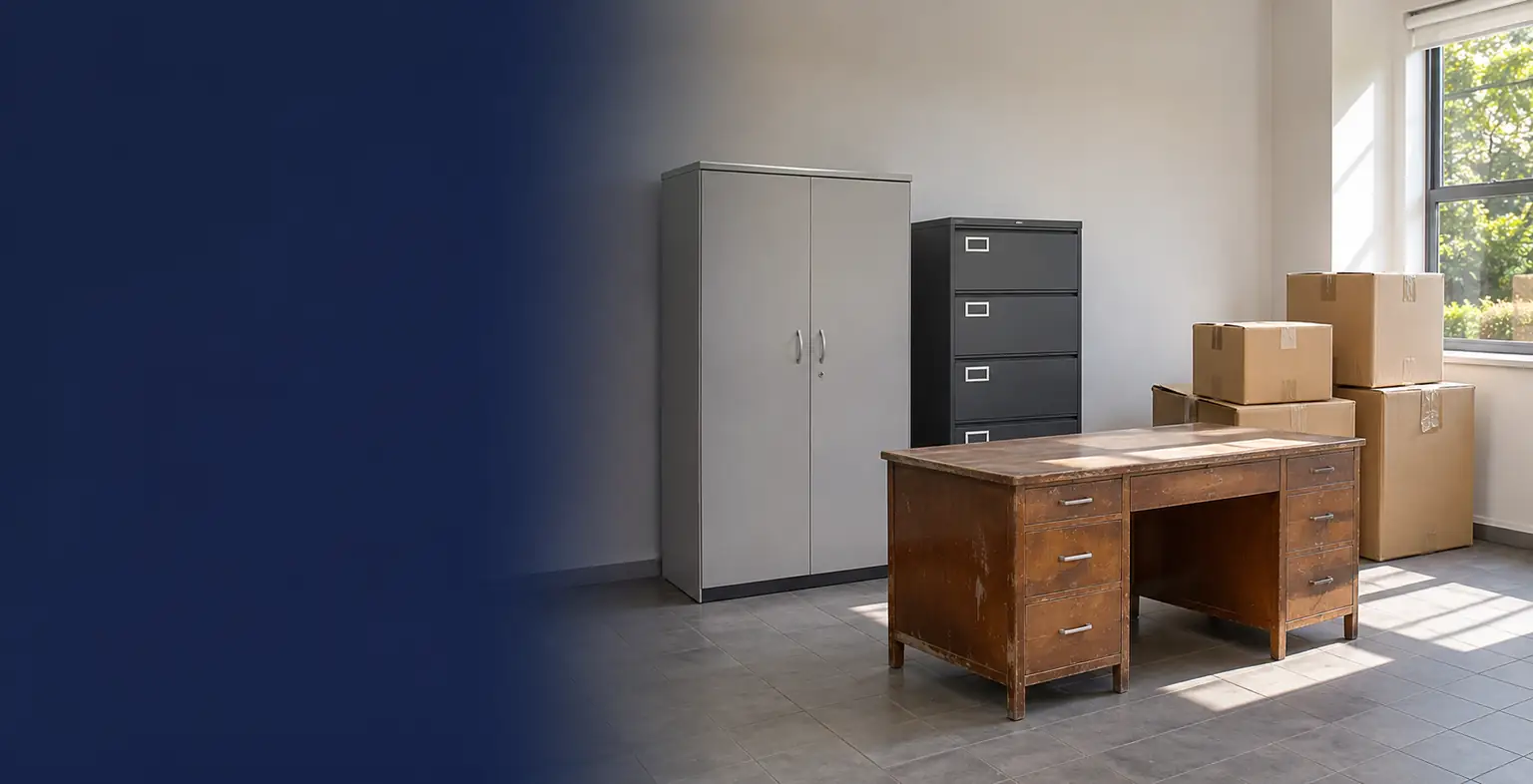
LOCAL RUBBISH CLEARANCE EXPERTS
Rubbish Removal
in New Southgate
Give Harry’s a New Southgate collection brief that identifies the source of the contents and the premises where they are kept. Household possessions, office furniture and other proposed material can be assessed with their own access, authority and handling requirements made clear.
- Domestic and workplace sources identified
- Property use considered alongside the item list
- Authorised contacts and carrying routes confirmed
- A quote for the accepted collection scope
What should a New Southgate mixed-use enquiry make clear?
Identify the source of every material group, the authority to release it and the premises conditions. This separates a combined physical load from any different business or domestic requirements.
Why identify the building’s current use?
Occupied rooms, retained equipment and changing access can affect carrying work. The route supplied for the quote should correspond with the premises as they will be at collection time.

WHAT IS BEING RELEASED
Property use and waste source belong in the first enquiry
A room may be changing use, a workplace may be releasing surplus furniture or a household may need selected contents removed. For a New Southgate enquiry, explain which of these instructions applies and who is responsible for the material. The team can then consider the appropriate service without assuming that every load at a residential-looking address consists of household waste.
List the pieces, containers and loose contents that are definitely leaving. The source of the material should remain clear when several groups are stored together. If business equipment stands beside domestic belongings, identify both. A shared collection point can simplify the address description, but it does not remove the need to distinguish authority, material type and any particular documentation or security requirement.
DESCRIBE THE CURRENT PREMISES
The collection depends on the actual access arrangement
Explain where the contents are kept and whether the premises remain occupied during removal. For indoor material, include floors, rooms and the proposed route out. If a shared entrance or lift is involved, identify the contact who can arrange its use and any large piece that needs assessing against it. The team needs the access that will apply at collection time.
If the space is being converted to another use, distinguish clearing loose contents from alterations, cleaning or moving retained possessions into storage. Those are different tasks and should not be inferred from a rubbish instruction. Describe any separate store or outside area contributing to the load rather than presenting the work as one room when the material actually begins in several locations.
| Premises or point | Details to supply | Boundary to keep clear |
|---|---|---|
| Home room | Selected belongings and retained items | Contents removal versus a full emptying instruction |
| Workspace | Business source and occupied areas | Authorised removal versus retained equipment |
| Shared access | Floor, lift and entry arrangements | Access availability versus a confirmed visit |
| Store or outside point | Location and material | Named scope versus an unseen additional load |
COMPARE THE CONTENTS
Different sources can involve different handling questions
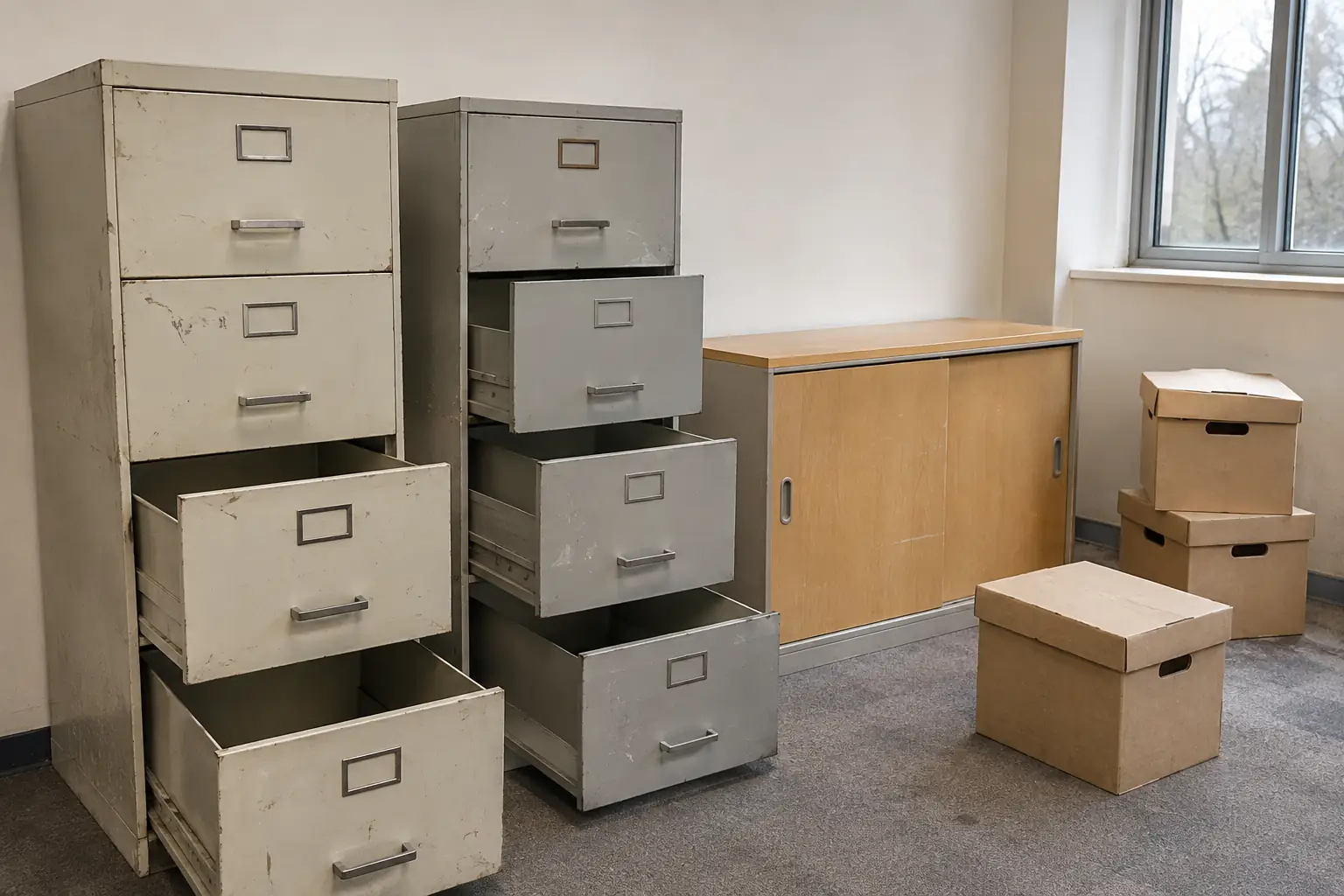
Domestic bags, freestanding furniture, electrical equipment and business material should each have a useful description. State what closed containers hold and identify dense or unfamiliar contents. A generic claim that a room contains only rubbish does not establish which material is accepted or which pieces have actually been authorised for removal.
Use residential rubbish clearance for household possessions, office clearance for workplace furniture and related items, or commercial collection for another business load. A wider domestic room-by-room instruction can be described through house clearance. The material and its source should guide the enquiry while the final list defines the agreed work.
| Contents | Explain | Question for the assessment |
|---|---|---|
| Household possessions | Quantity and type of loose or bagged material | What is included beyond the main furniture? |
| Office furnishings | Pieces, dimensions and authority | Which equipment or records need another decision? |
| Electrical items | Type and connection status | What preparation and acceptance checks apply? |
| Outside material | Green waste, objects and dense contents separately | Is an additional route involved? |
THROUGH THE PREMISES
Assess the journey from each storage point
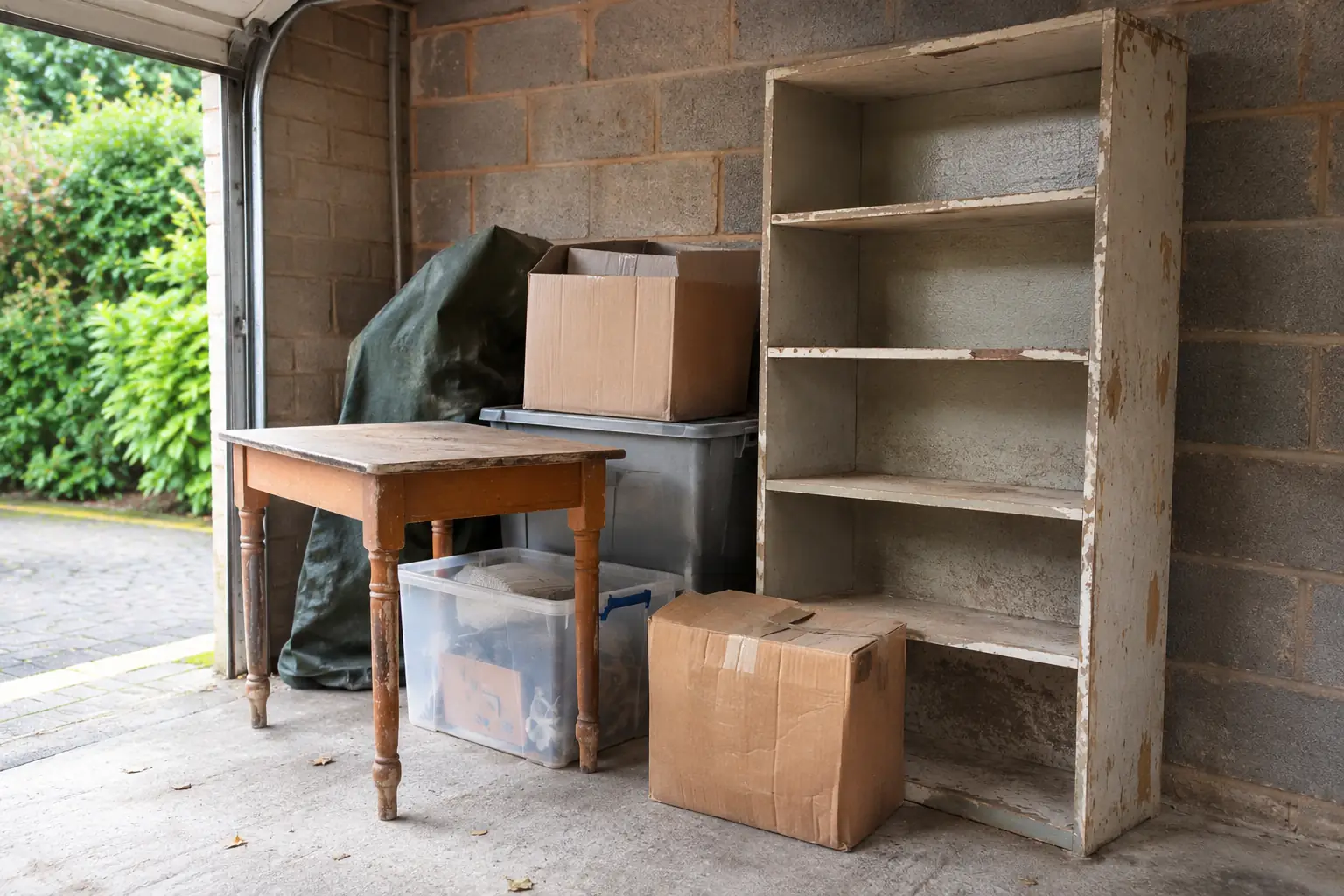
The physical work begins at the material, not at the building entrance. Describe stairs, turns, narrow openings and any longer route through occupied areas. Give approximate dimensions for large pieces and explain whether a lift or alternative door is proposed. A room’s floor number cannot establish every part of the route.
The receiving contact should know how the team can reach all included points. If another person controls a gate, store or shared passage, coordinate that access before the visit is treated as ready. Explain anything changing in the premises that may affect the route. A quotation based on clear access should not be assumed to cover an unspecified alternative after furniture or building use has changed.
QUOTE THE ACCEPTED GROUPS
A combined load still needs a precise scope
Photographs and an item list should show the complete instruction, including smaller groups obscured by larger objects. Identify bulky shapes and dense material separately. The team considers space, weight and carrying work together; a similar-looking pile in another setting may involve a different collection requirement. The price should relate to the accepted material at the described property.
Ask which contents and tasks the proposed quotation covers, and whether any applicable additional requirement has been identified. Business and domestic material should not disappear into one vague quantity. If the load, source or access changes after the first enquiry, send an updated description so the team can review the work before an appointment is treated as a larger or different collection.
| Quote factor | Describe with | What it establishes |
|---|---|---|
| Accepted groups | Complete source and item list | The exact scope being priced |
| Bulk and material | Dimensions and dense contents | Space and handling needs |
| Access labour | Floors, doors and carry distance | Movement required to reach the vehicle |
| Additional request | Any preparation or unusual task | Whether it can be included explicitly |
CONSTRUCTION AND FIT
Do not assume every furniture removal is identical
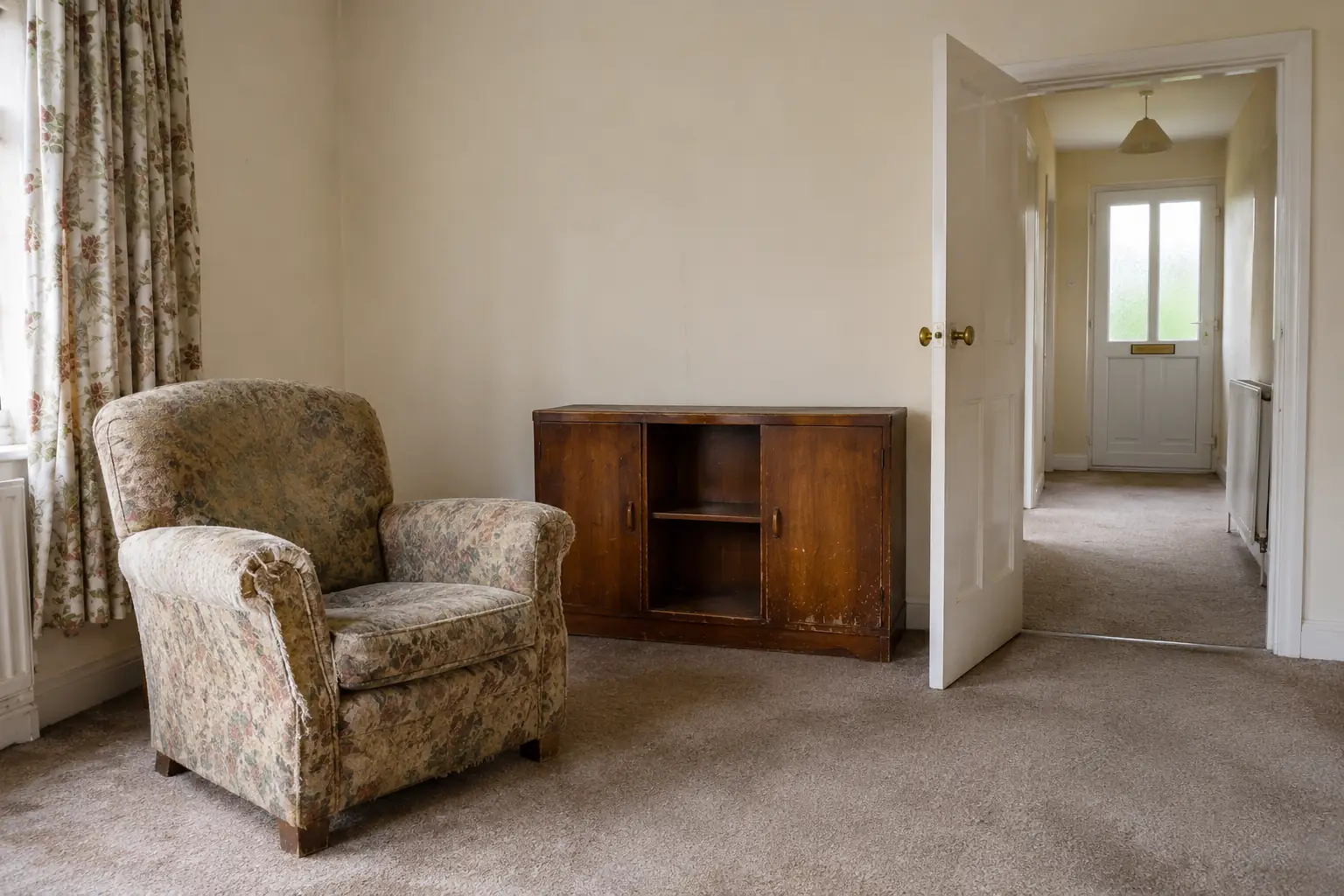
A large desk, cupboard or upholstered piece may need information about its construction as well as dimensions. Say if it was assembled inside the room and describe loose or damaged components. Identify the tightest parts of the route, including a lift entrance or landing if relevant. The team needs to assess the item in its present state.
For a selected furniture request, furniture disposal helps frame the instruction. Dismantling, disconnection and specialist extraction require a separate discussion before they are treated as included. A change in the room’s use does not make building alterations part of an ordinary rubbish collection. Where the proposed route is uncertain, more detail may be needed before the particular piece can be agreed.

THE NEW SOUTHGATE COLLECTION POINT
Use the address rather than a general locality assumption
Give the full address, postcode and entrance serving the contents. Explain the proposed loading position and how the indoor or outside route reaches it. New Southgate enquiries should be checked against their particular address and relevant authority rather than assuming that the locality name establishes every street or building arrangement.
For an Enfield address, the council’s suspension and dispensation information describes separate access permissions. Check current controls and any private requirements at the proposed position. The collection appointment does not reserve a space, and an arrangement for another occupier or activity should not be presumed to cover the collecting vehicle.
SECURITY AND ACCEPTANCE
Some requirements do not follow from physical collection
Name appliances, batteries and containers with liquids or uncertain contents before including them. Hazardous and specialist materials need an appropriate arrangement confirmed outside an ordinary mixed load. The material should be identified accurately rather than labelled household rubbish because it is stored in a home or office rubbish because it is beside a desk.
For records and data-bearing equipment, explain the intended security outcome. Ordinary collection and transport do not establish certified destruction or erasure. The person responsible for those contents should confirm the relevant service before releasing them. The accepted list should contain items whose preparation, authority and handling requirements have been settled, rather than relying on the receiving contact to make a specialist decision during loading.
| Requirement | Provide beforehand | What needs separate agreement |
|---|---|---|
| Appliance preparation | Type, installation and connections | Any disconnection or specialist task |
| Uncertain material | Known contents and available labels | Whether a suitable collection is possible |
| Sensitive records | Owner and security outcome | Appropriate document handling service |
| Data-bearing equipment | Device type and intended treatment | Any verified erasure or destruction arrangement |
MATCH THE VISIT TO THE BRIEF
Agree the receiving person and further handling needs
The team can discuss available appointments once the load and access are understood. Tell us who will provide entry and whether they can authorise changes. If a property change or another contractor affects readiness, explain that dependency. A preferred date needs collection confirmation before it is relied on for a separate handover or change in use.
At collection, identify the accepted contents and raise differences before extra material is loaded. Further handling follows the type and condition of the accepted waste, including possible reuse, recycling or disposal. If business documentation is needed, discuss it before the appointment so the team can confirm what can be supplied. The handover should remain connected with the material and service actually agreed.
KEEP EACH INSTRUCTION COMPLETE
Include outside work and additional addresses clearly
For the New Southgate visit, provide all collection points, the accepted load and the responsible contacts. If a garden or outside store contributes material, describe it through garden clearance and explain the different route. A change in property use should not conceal another material group or storage point that has not been considered in the quotation.
Use the coverage directory for work elsewhere, with a separate address, contents list and access contact for each stop. Even where one customer coordinates several properties, the collection requirements can differ. Distinguishing the jobs allows the team to discuss their actual scope and timing instead of treating a general relocation or change in premises as one undefined waste load.
ADDRESS-SPECIFIC COLLECTIONS
Locate your New Southgate collection
Reference: New Southgate. A locator for the area, not a company office or an exact collection boundary. Share the full postcode to confirm the address.
Explore this area on OpenStreetMap · View service coverage
Outline: Greater London Authority / Ordnance Survey, Open Government Licence v3.0. Point: official geographic reference.
BEFORE THE COLLECTION
New Southgate rubbish collection questions
Can household belongings and workplace contents be collected from the same premises?
Discuss both sources and identify their material, authority and any separate requirements. The team can assess the proposed combined instruction without treating every object at the address as the same waste type or assuming identical documentation and security needs.
Does converting a room to another use make it a full clearance?
Only if that scope has been agreed. Identify exactly which loose contents leave and what remains. Building alterations, cleaning and storage of retained possessions should not be assumed from a request to collect unwanted material.
What access information matters when the premises remain occupied?
Describe the route through areas still in use, the contact controlling entry and any stairs, lift or shared passage. The collection should be assessed against the conditions that will actually apply during removal, including retained equipment or furniture near the route.
Can the locality name determine the loading permission?
No. Provide the complete address and proposed vehicle position, then check the relevant current controls and authority. The collection appointment is separate from any road-space or private access arrangement required for the particular premises.
Should office computers be included in an ordinary furniture description?
Name the equipment and explain any security treatment required before including it. Physical removal is not a certified erasure or destruction service. Acceptance, preparation and an appropriate specialist arrangement need explicit consideration.
What if a further outside store becomes part of the job?
Provide its contents and carrying route before the visit. It can add a different material group or access requirement. The team needs to review the updated scope rather than assume a quotation for indoor material also covers an unseen outside load.
Arrange your New Southgate collection quote
Send the item list, collection postcode and access information. The team will discuss the scope and available timing before you decide whether to book.