

LOCAL RUBBISH CLEARANCE EXPERTS
Rubbish Removal
in Deptford
Arrange a Deptford collection with the different parts of the load described before comparing quotation requirements. Harry’s discusses furniture, packaging and other accepted household or business contents alongside access. Show the full quantity and material mix so the assessment is based on the actual collection rather than one overall pile description.
- Furniture and material groups identified
- Bulk distinguished from dense contents
- Household and business source stated
- Quotation matched to the defined collection
What belongs behind a Deptford pile photograph?
A material and item list explaining the full load, including concealed contents. The quantity and the route from each point should be clear.
Why compare quotation scope as well as amount?
The included contents, preparation and carrying work must match the collection. An amount without that boundary can leave important requirements unresolved.
LOOK INSIDE THE LOAD DESCRIPTION
One pile can contain several different requirements
A collection photograph may show furniture at the front, packaging around it and filled containers behind. We need the material groups that make up the full request, including contents not obvious from the image. The visible size is useful, but it does not establish what is inside every box or how each large piece must be handled.
State whether the load comes from a home or business and who authorises removal. If both are included, distinguish their contents instead of treating them as one source because they share an address. The team can discuss the combined request while keeping material, authority and practical handling clear.
NAME THE DIFFERENT CONTENTS
A useful quote request separates the significant groups
List larger furniture individually, with dimensions where the exit may be awkward. Describe bags and containers by quantity and general contents, and identify equipment separately by type and condition. A broad room or stockroom label cannot show these differences and should not replace the material list.
Unknown substances, clinical waste, asbestos and other hazardous contents require an appropriate specialist discussion rather than ordinary mixed collection. Sensitive records and data-bearing devices also need their security requirement stated separately. The team should not discover a different waste category only after it has been presented as general furniture or packaging.
| Load category | Detail for assessment | Separate consideration |
|---|---|---|
| Furniture | Piece count, size and construction | Exit route and preparation |
| Packaging | Material mix and quantity | Whether containers hold additional waste |
| Bagged contents | General materials and amount | Dense or unusual additions |
| Equipment | Specific device or appliance | Acceptance and preparation |
| Sensitive or suspect material | Requirement or concern identified | Appropriate specialist arrangement |


COMPARE THE AMOUNT MEANINGFULLY
The same apparent space can contain a different load
Vehicle space and material density answer different assessment questions. A loose group of light packaging can occupy substantial space, while compact dense contents may need particular handling consideration. Describe both extent and composition rather than assume the smallest-looking group is the least significant part of the collection.
A furniture count can also obscure construction and concealed contents. A cabinet containing belongings is not necessarily the same instruction as the empty cabinet, and an assembled piece may have a different exit problem from another item of similar size. Include those facts before the quotation is treated as describing a standard load.
| Description | What remains unclear | Information that improves it |
|---|---|---|
| A few containers | Contents and density | General material and quantities |
| Several furniture pieces | Shape and construction | Dimensions and current assembled state |
| Packaging pile | Full extent and mixed materials | All groups shown in photographs |
| A full room | Which contents are authorised | Item list with retained belongings identified |
| A small dense group | Material and handling requirements | Composition and approximate amount |
DEFINE THE QUOTATION SCOPE
Compare what is included, not only the headline amount
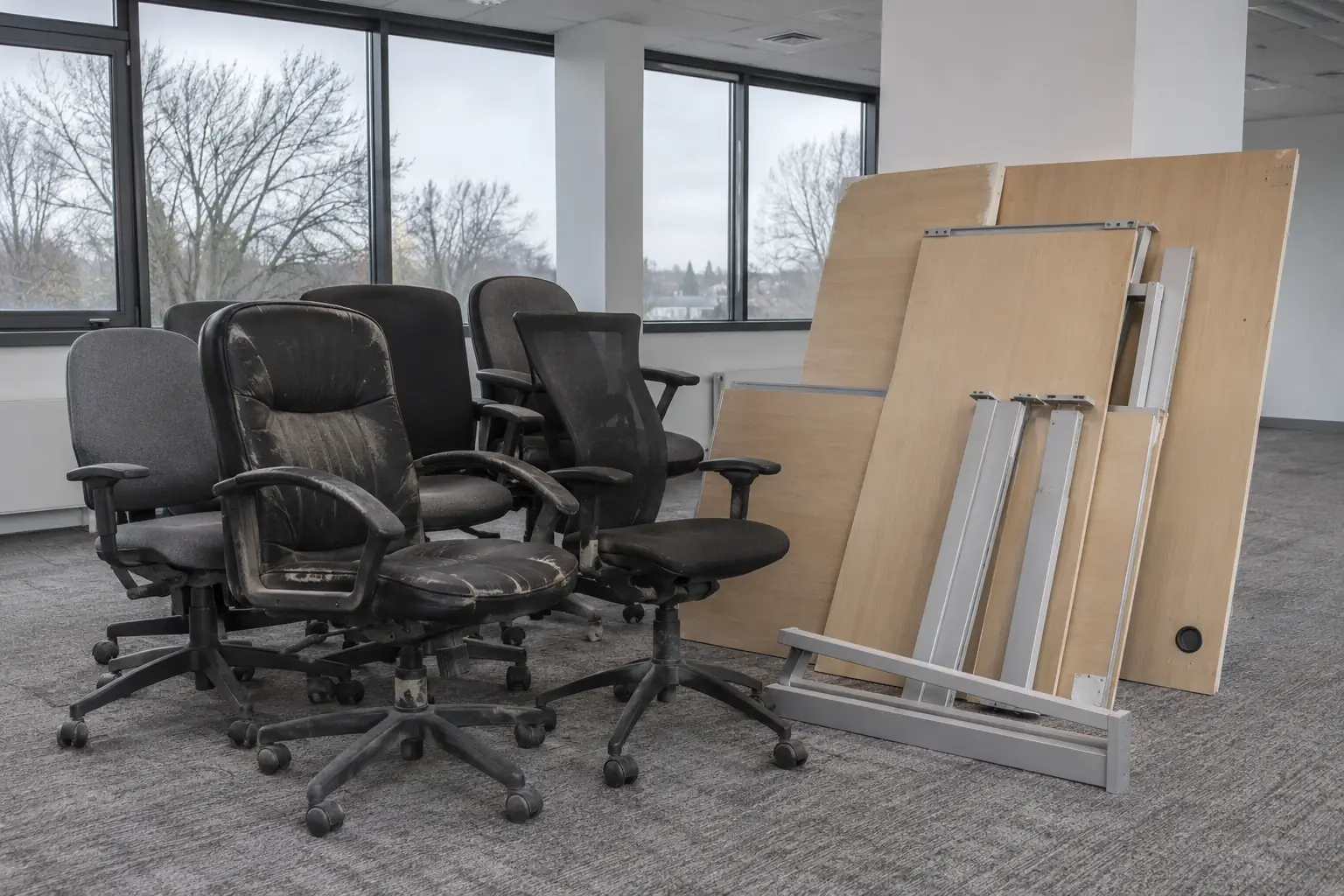
A quotation should represent the contents, routes and tasks actually being agreed. Ask which item groups and collection points are included. Photographs should cover the entire load, while the written description identifies equipment, dense material or another group hidden behind the visible furniture.
Any additional preparation or handling task needs a specific answer. Dismantling, disconnection, secure destruction or specialist lifting is not established merely by requesting rubbish removal. The proposed price should be understood against the agreed work rather than interpreted as covering every task associated with clearing the premises.
If another item, material or collection point is added, send the revision before the appointment. A quote for one defined load should not be treated as an allowance for whatever is later found at the address. The team needs to assess the current request so scope and practical handling remain connected.
| Quotation question | Information to provide | What should be clear |
|---|---|---|
| Which contents? | Full item and material list | The load represented in the price |
| How much? | Quantities and complete views | The extent being assessed |
| Which locations? | Rooms, floors and stores | The carrying routes included |
| What preparation? | Specific task requested | Any explicitly agreed additional work |
| What changed? | Updated contents or access | Whether the assessment needs revision |
Waste category
→
Bulk and density
→
Carrying route
→
Agreed quote
CHECK THE FURNITURE REQUIREMENTS
A large piece has its own route question
For a sofa, desk, cupboard or other bulky item, explain the restrictive points between its location and loading. The team needs dimensions and construction alongside the door, stair or lift information. A main entrance being accessible does not establish the suitability of every internal turn for the outgoing piece.
Mention whether the furniture was assembled in the room or remains attached. The preparation required should be discussed before a removal method is relied on. An unusual exit, building alteration or specialist lift is not an automatic part of a standard collection and should not be left implied by the item being unwanted.
MOVE FROM DESCRIPTION TO APPOINTMENT
Resolve material and scope questions before the visit
The enquiry identifies the authorised contents and their locations. The team reviews the quantity, material and access details needed for the quotation, then discusses available timing. If another person or activity determines when entry or readiness is possible, explain that dependency at the start.
At collection, the current list should distinguish the approved groups from retained contents. An additional item or different material needs discussing with the authorised contact before the job expands. The receiving person should not have to infer whether another cupboard or pile was meant to be included in a broad description.
CONNECT EVERY INCLUDED POINT
A second store may introduce a second route
Describe the floor, stairs or suitable lift and any controlled doors from each collection location. If a separate store or outside point is included, identify its contents and access. A key to the main premises may not open every area, and one entrance photograph may not explain the whole route.
The receiving plan should connect the person providing entry with someone who recognises the removal list. If they cannot authorise changes, provide a way to reach the decision-maker. This allows a scope question to be resolved before loading rather than assumed settled because the building is accessible.
DEPTFORD POSITION-SPECIFIC PLANNING
Check the actual loading information for the address
Provide the complete Deptford address, postcode and proposed vehicle position. Where Lewisham controls apply, its published parking and loading information should be checked alongside the relevant signs. The neighbourhood name and collection appointment do not establish unrestricted permission to stop or reserve nearby space.
A private approach or loading area needs its own receiving arrangement with the controlling contact. Include the distance from the property exit to the vehicle and any separate gate. If the proposed position changes, update the team so the quotation can remain based on the route available for this collection.
CHOOSE THE COLLECTION CATEGORY
The waste source remains relevant within a combined enquiry
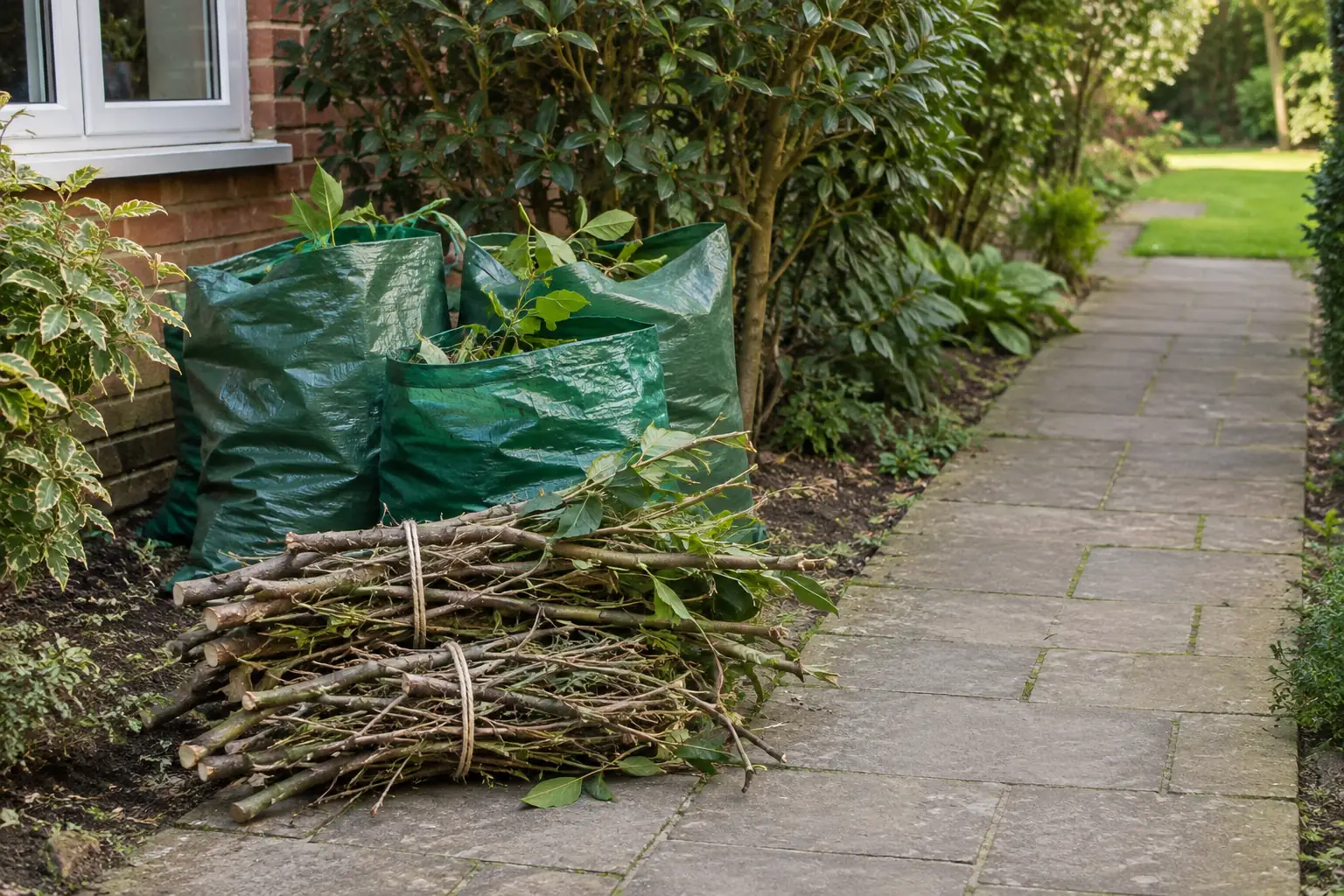
For household contents, compare residential rubbish clearance and house clearance. Named large pieces can be described through furniture disposal. Outside material can use garden clearance with its composition and quantity stated.
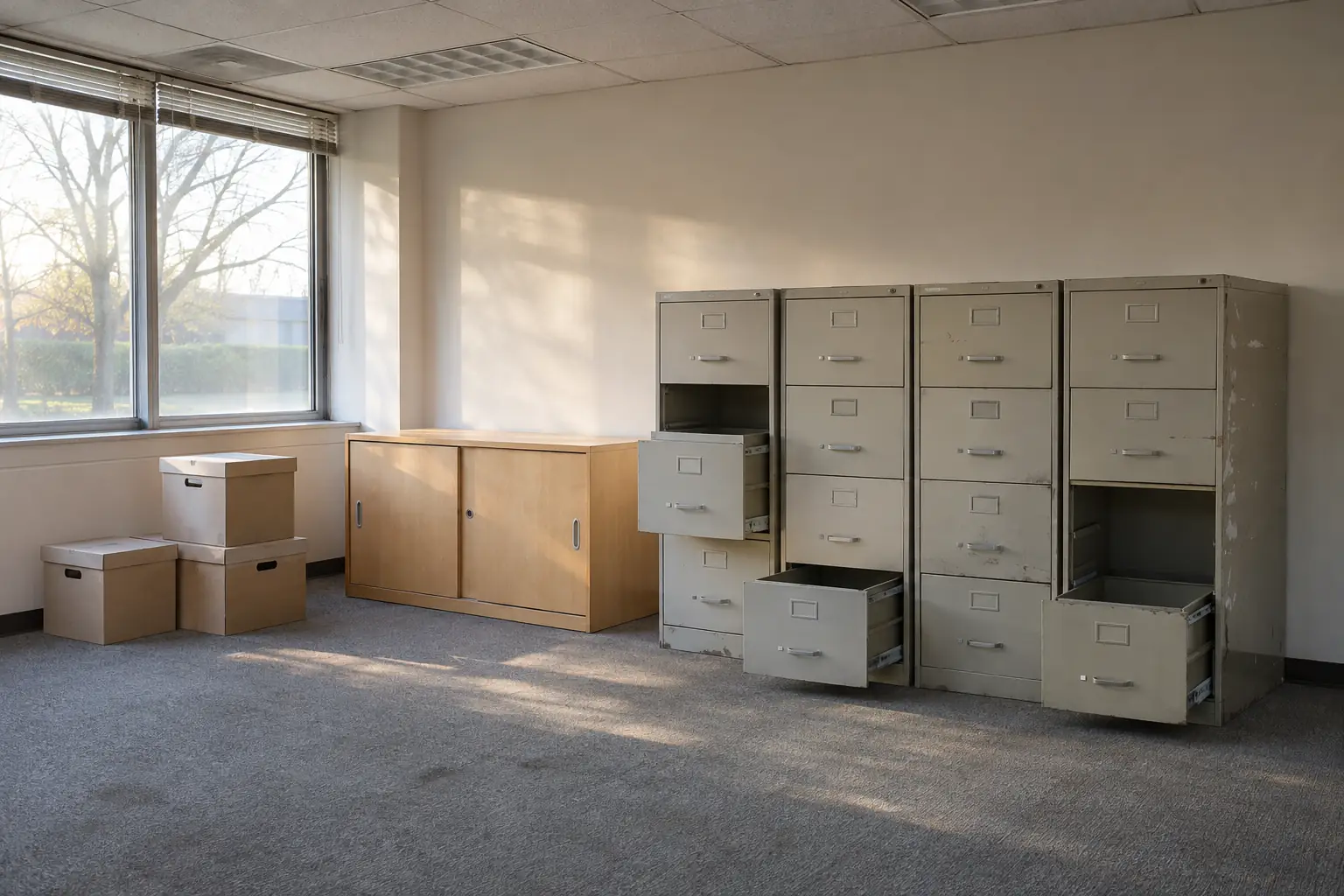
For workplace furniture and other business waste, use office clearance or commercial rubbish collection. Identify the responsible organisation and any collection-record requirement. Combining contents in one request should not hide their sources or imply a specialist security service.
| Instruction type | Useful description | Boundary to maintain |
|---|---|---|
| Household load | Authorised furniture and belongings | Retained or specialist contents |
| Selected bulky pieces | Each item and route | Other contents in the room |
| Outside addition | Material groups and access | Dense or non-green additions |
| Business collection | Organisation and waste description | Unconfirmed security or processing tasks |
AFTER COLLECTION
Condition and material guide the appropriate route
Suitable re-use, recycling and disposal depend on the contents and their condition. Usable furniture may have a different option from damaged mixed materials, equipment or packaging. The collection does not guarantee donation of every item or one recovery outcome for the entire load.
Where commercial transfer information or collection records are required, raise the need before agreement. Ordinary removal and transport are not certification of data erasure or secure document destruction. The team can confirm the arrangements available for the stated job while separate specialist requirements remain clearly identified.
DEPTFORD COLLECTION ENQUIRIES
Send the postcode with the complete material brief
Provide the full address, included rooms or stores and receiving contact. Connect photographs to each item group and explain what is staying nearby. The team can then assess a collection instruction that matches the actual materials and practical route rather than a single overall pile label.
For a different premises, the coverage directory lists further service areas. Give that address its own quantity, material and access description. Similar-looking collections can involve different contents and authority, so each stop should have a usable individual brief.
ADDRESS-SPECIFIC COLLECTIONS
Locate your Deptford collection
Reference: Deptford. A locator for the area, not a company office or an exact collection boundary. Share the full postcode to confirm the address.
Explore this area on OpenStreetMap · View service coverage
Outline: Greater London Authority / Ordnance Survey, Open Government Licence v3.0. Point: official geographic reference.
BEFORE THE COLLECTION
Deptford rubbish collection questions
What makes a Deptford mixed-load quote request clear?
Identify each material group, the larger pieces and any contents hidden in containers. Include quantities and routes from all collection points. A single pile photograph can show extent without explaining the complete material mix.
Should an empty cabinet and one containing belongings be described differently?
Yes. State whether the contents are included or retained and identify their general material. Concealed belongings can affect quantity, weight or handling, so they should not remain an assumption within a furniture instruction.
Can two similar-sized piles have different collection requirements?
Their composition, density and item shapes can differ. Describe what creates the load as well as its visible size. The team needs both parts before assessing the collection.
How should I compare the proposed quotation with the enquiry?
Check that it represents the included contents, collection points and any preparation agreed. Raise omissions or changes before the visit rather than assume a headline amount covers every later task or item.
Does a business load include a secure destruction service?
Identify any records or device-security requirement separately. Ordinary collection and transport do not certify destruction or data erasure. The appropriate specialist arrangement must be confirmed before sensitive material is included.
What if another store is added after the quotation?
Send its contents, quantities and entry route before the appointment. It may change the material mix and practical work even at the same address, so the scope and price need review against the revised instruction.
Arrange your Deptford collection quote
Send the item list, collection postcode and access information. The team will discuss the scope and available timing before you decide whether to book.